Analyzing Key Factors with Regression
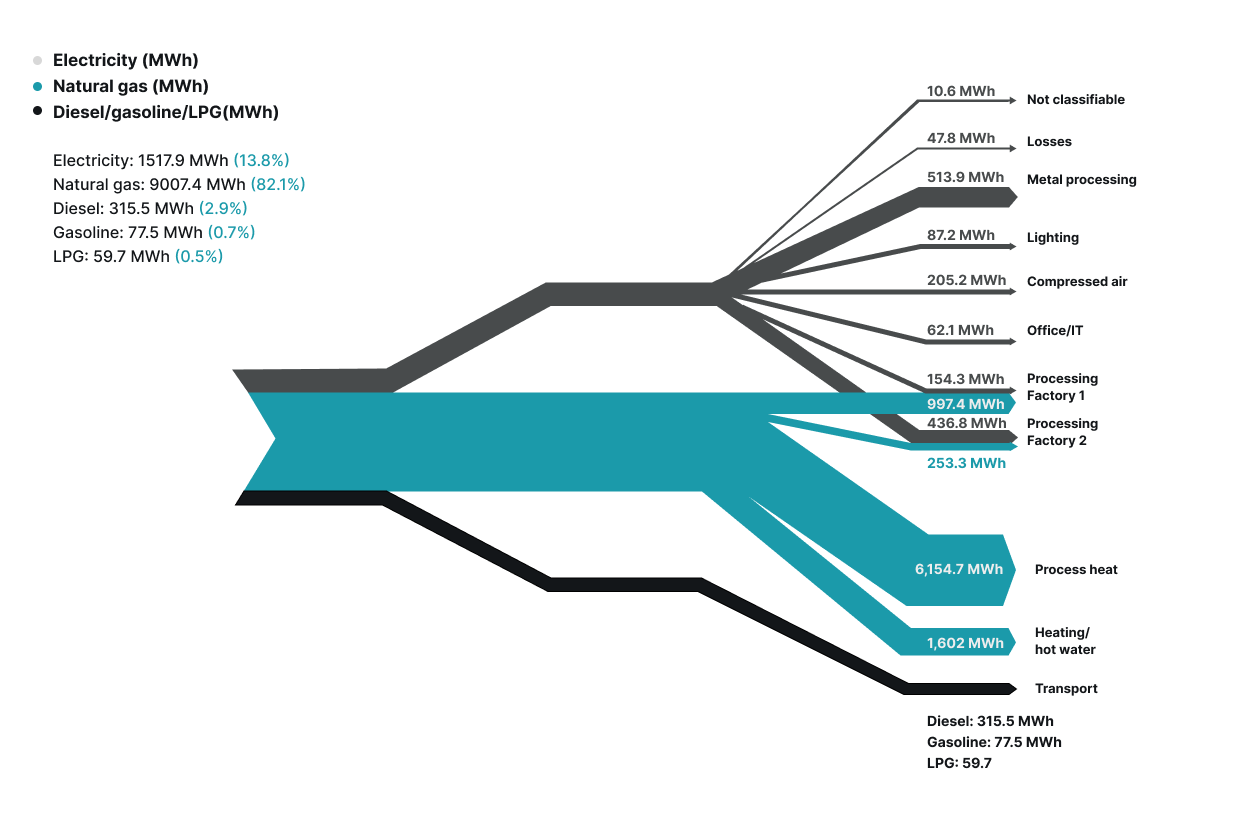
Energy consumption can be influenced by any number of factors, such as production levels, weather, or operating hours. By conducting a regression analysis, you can identify which variables have the most significant impact on energy use. For instance, if you find that higher production volume correlates with greater energy consumption, you can adjust operations to optimize efficiency.
Setting Key Performance Indicators (KPIs)
Key performance indicators (KPIs) help you measure and track energy use over time. KPIs can be absolute, such as total energy consumption in kilowatt-hours, or relative, like energy use per product unit. These metrics let you compare current performance with historical data, helping you understand if energy efficiency initiatives are working.
Monitoring and Managing Energy
Ongoing energy monitoring is critical to managing energy consumption effectively. By continuously tracking KPIs, you can detect any deviations from energy goals and take corrective action quickly. Companies with large or complex energy needs can benefit from using software solutions to automate this process and ensure real-time accuracy.
This is where Quentic software comes in. It helps you manage your data and automate reporting, just to name a few advantages of this feature-rich software.
Creating a Data Collection Plan
For any energy management strategy to work, businesses need a clear data collection plan. This plan should detail what data will be collected, how often, and who is responsible for gathering it. For example, collecting daily energy consumption data at a manufacturing plant will ensure that energy trends can be monitored and managed efficiently.
Setting Energy Goals for success
Energy goals for businesses should be specific, measurable, and aligned with overall efficiency targets. ISO 50001 offers a framework for establishing these goals, focusing on SEUs to maximize impact. For example, a business might set a goal to reduce energy consumption per unit of production by 10% over two years, with detailed action plans to achieve this.
The Competitive Advantage
For businesses, optimizing energy management is more than just good practice - it’s a competitive advantage. By assessing risks, defining SEUs, and implementing continuous monitoring, you can systematically improve energy efficiency, cut costs, and contribute to a more sustainable future. With the right tools and strategies in place, you can take control of their energy use and reduce waste effectively.
With cloud-based Quentic software, you can take this a step further. Our software reduces time spent on processes by up to 50%, helping you save costs while meeting the highest standards for sustainable corporate governance.
We invite you to learn more. Simply contact us. You can also see for yourself how it streamlines your ESG tasks. Request a free demo now.